
What Are Painkillers?
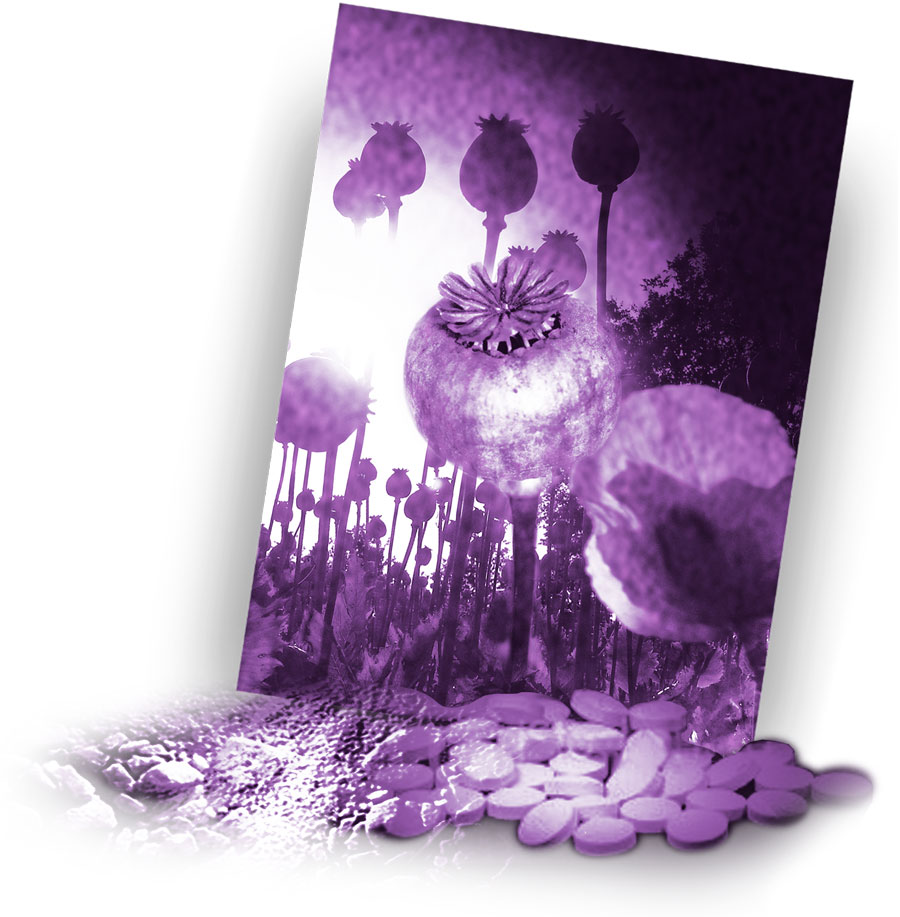
Painkillers are a large class of drugs that relieve pain. Some are made from the opium poppy plant,* while others are synthetic opioids created in labs. Both types act on the body and brain in the same way as drugs like morphine and heroin do.
Whether prescribed legally through a medical doctor or obtained illegally, opioids are powerful drugs that block the nervous system’s transmission of pain signals. Opioids also stimulate portions of the brain associated with pleasure. Thus, in addition to masking pain, they produce a false sense of euphoria or a high.
Most painkillers are highly addictive and extremely difficult to quit once dependency develops.
* opium poppy plant: a flowering plant that produces seed pods containing a brownish, sticky extract (called opium) with strong pain-relieving and intoxicating effects
The most commonly prescribed prescription opioids are:
- Hydrocodone: a prescription opioid sold under many trade names including Vicodin and Lortab. It is similar in strength to morphine and highly addictive.
- Oxycodone: a prescription opioid commonly sold under the trade names OxyContin and Percocet. Abused, it produces similar effects to heroin, affects the nervous system the same way and is addictive.
- Morphine: a prescription opioid derived from opium and used for treatment of pain. It is addictive and has a high potential for abuse.
- Codeine: a prescription opioid pain reliever used for mild to moderate pain or used in cough medications. Like other opioids, it is addictive.
- Methadone: a prescription opioid that is used as a maintenance drug for opioid addiction and as a painkiller. It does not produce a high as other opioids do, but if taken in large quantities it can produce a sort of euphoria. It is highly addictive.
- Oxymorphone: a prescription opioid commonly sold under the trade name Opana that has a similar abuse potential to morphine.
- Fentanyl: a very powerful opioid that is 50 times more potent than heroin. As a prescription drug, it is used for severe pain. Illegally produced fentanyl is often mixed with other drugs and has caused a dramatic increase in drug overdose deaths since 2011.
- Hydromorphone: a prescription opioid sold under the trade name Dilaudid that is four to eight times stronger than morphine and is highly addictive.
“At the age of 20, I became an addict to a narcotic,* which began with a prescription following a surgery. In the weeks that followed [the operation], in addition to orally abusing the tablet, crushing it up enabled me to destroy the controlled release mechanism and to swallow or snort the drug. It can also be injected to produce a feeling identical to shooting heroin. The physical withdrawal from the drug is nothing short of agonizing pain.” —James
* narcotic: a drug affecting the central nervous system (brain and spinal cord), which can cause dizziness, lack of coordination and unconsciousness
Street Names for Painkillers
Generic Name
- Oxycodone
- Hydrocodone
- Propoxyphene
- Hydromorphone
- Meperidine
- Fentanyl
Brand Name
- OxyContin, Percocet
- Lortab, Norco, Vicodin
- Darvocet, Darvon
- Dilaudid, Exalgo
- Demerol
- Actiq, Sublimaze
Street Name
- Ms. O.C., Oxy, Oxycet, Ozone, Roxy, Ercs, Kickers, Percs, Rims, Tires
- Bananas, Dro, Fluff, Hydros, Tabs, Vikes, V-itamin, Watsons, 357s
- Footballs, N’s, Pink Footballs, Pinks, Yellow Footballs, 65s
- D, Dillies, Footballs, Juice, Smack
- Demmies, Pain Killer
- Apache, China Girl, China White, Dance Fever, Friend, Goodfella, Jackpot, Murder 8, Tango & Cash, TNT
How much do you really know about painkillers?
Updated: